
 You don’t have to carry grief by yourself.
Ways We Can Meet
Choose the setting that feels most supportive and comfortable for you.
Zoom
Meet from wherever you feel most comfortable. Zoom sessions are a simple option if you prefer privacy at home or live outside Portland.
Grief House
Meet with me in person at Grief House in Portland, a community-centered space devoted to grief, loss, death, remembrance, and connection.
Walk & Talk
Sometimes it is easier to talk when we are moving. We can meet for a relaxed 60-minute Walk & Talk in the St. Johns neighborhood of Portland.
My Experience With Grief
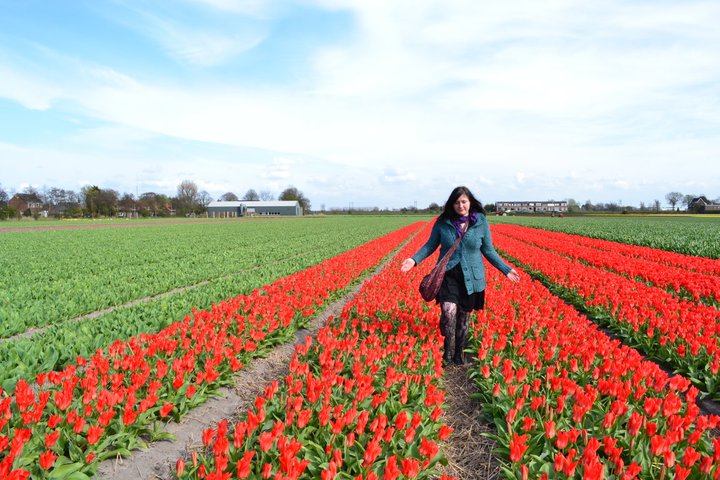
Grief is not something I came to only through professional training. It has been a significant part of my own life.
I lost both of my parents to cancer while I was in my twenties — my father in 2004 and my mother in 2009.
Those losses profoundly changed my life and my understanding of grief. I know what it is like for grief to continue long after other people assume you should be “better.” I know what it is like to miss someone years later, and for grief to appear unexpectedly in holidays, milestones, relationships, memories, and ordinary moments.
My experiences with loss eventually became part of what drew me toward facilitation, community care, creativity, grief work, and psychedelic support.
Today, I work with Grief House in Portland and am part of a community of people exploring more honest, compassionate, and human ways of relating to grief, death, and loss.
I am not here to teach you how to grieve correctly. My role is to create space for your grief to exist exactly as it does.
What We Can Do Together
There is no set agenda and no required way to use our time. We can begin wherever you are that day.
Sometimes we may explore something. Sometimes we may create something. Sometimes the entire session may simply be you telling me about the person you lost.
That is enough.
- Talk about the person you lost
- Tell stories and revisit memories
- Explore what you miss most
- Talk about things that feel unfinished
- Make room for sadness, anger, guilt, relief, numbness, love, or confusion
- Navigate birthdays, anniversaries, holidays, and milestones
- Explore how grief has changed your relationships or identity
- Talk through loneliness or feeling misunderstood
- Explore what kind of support you need from others
- Create meaningful ways to remember someone
- Use photographs, music, objects, storytelling, or writing
- Develop personal rituals around remembrance or transition
- Prepare for particularly difficult days
- Explore what it means to keep living while continuing to carry someone with you
What I Can Offer
A place where you don’t have to protect anyone else from your grief.
You do not have to minimize what you are feeling, change the subject, or worry that you have talked about your loss too much.
Deep listening and compassionate presence.
Sometimes being genuinely witnessed is one of the most meaningful forms of support.
Space to talk about the person you lost.
Say their name. Tell me about them. Laugh about them. Be angry with them. Miss them. Love them. Have complicated feelings about them.
Creative ways to engage with grief.
If it feels useful, we can incorporate writing, storytelling, photographs, music, memory work, art, meaningful objects, or personal ritual.
Support around difficult moments.
We can make space for birthdays, anniversaries, family gatherings, holidays, memorials, or other moments when grief feels especially close.
Grief without a deadline.
There is no expectation that you should be finished grieving by a particular point.
Come Once or Come Regularly
You do not have to commit to a weekly program.
Come once, meet weekly or every other week, check in once a month, or return when grief feels especially present. Packages can be used at the pace that works for you.
Scope of Support
1:1 Grief Support is a private-pay, non-clinical supportive service. I do not provide psychotherapy, mental health diagnosis, medical treatment, or crisis intervention through these sessions.
You are welcome to work with me alongside a therapist, counselor, physician, or other healthcare professional. If something arises that is outside the scope of the support I provide, I may encourage you to connect with an appropriate clinical or professional resource.
You Don’t Have to Know What You Need
You might arrive knowing exactly what you want to talk about.
You might arrive crying, angry, confused, numb, or simply tired.
You might want to tell me everything about the person who died.
Or you might just know that carrying this alone feels hard.
We can begin wherever you are.
60-minute sessions
Zoom • Grief House in Portland • Walk & Talk in St. Johns
$40–$60 sliding scale
Sessions & Fees
All sessions are 60 minutes. Choose the rate that feels sustainable for you.
No documentation or explanation is required. Paying toward the higher end helps make lower-cost sessions available to others.
Single Session
Come once or book individual sessions whenever grief feels especially present.
4 Sessions
A little more continuity, with the flexibility to meet weekly, every other week, monthly, or as needed.
8 Sessions
Ongoing support over a longer period, with room to find the rhythm that feels right for you.
12 Sessions
An ongoing space for grief, reflection, connection, and support over time.